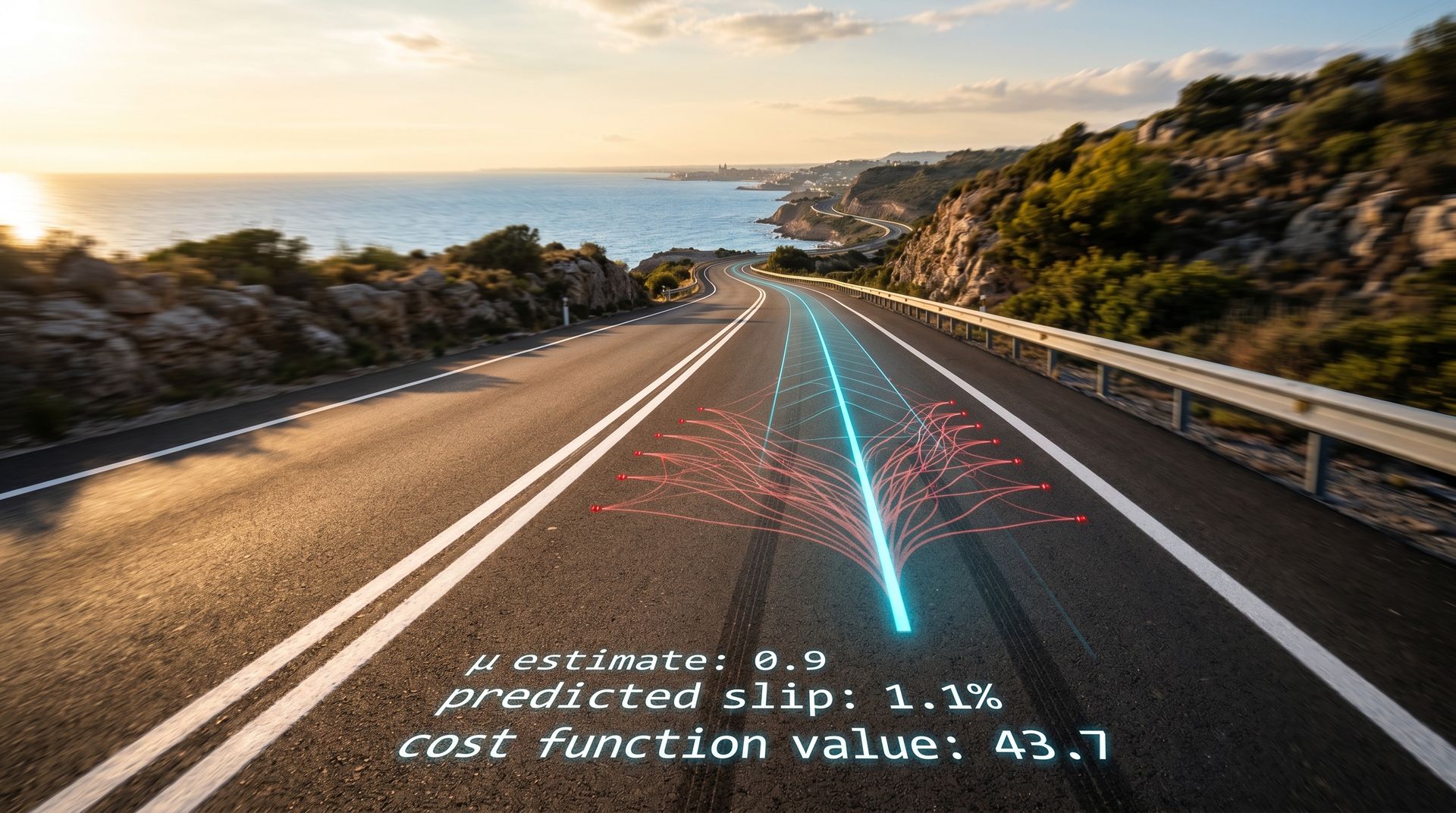
Automotive AI
AI across the engineering lifecycle
From requirements to code to validation — we build and evaluate AI tools for the full automotive engineering process. Including knowing where they work and where they don't.
The full engineering process
Automotive engineering spans requirements, modelling, software development, testing, and documentation. AI can support each stage — but only when it is correctly evaluated and understood. We build the tools and we validate them.

Why it matters
Automotive engineers spend significant time on documentation, requirements review, model analysis, test data processing, and standards compliance — across every phase of the development lifecycle.
AI can handle the mechanical parts of this work. But deploying AI without understanding its limits — especially in probabilistic contexts and safety-relevant decisions — introduces real risk. We build the tools and we validate them.
Where we apply AI
Requirements Engineering
AI-assisted generation and review of engineering requirements. Detect gaps, trace requirements to design artefacts, and structure output from unstructured technical discussions.
Technical Document Analysis
Automated analysis of standards, datasheets, and supplier documentation. Extract constraints, compare against specifications, and flag inconsistencies before they cost time.
Controller Modelling Support
Support for model-based development including Simulink workflows. Parameter analysis, model structure review, and AI-assisted recommendations for controller tuning.
Code Generation & Review
Automotive software development support — code generation, review, and static analysis augmentation. Grounded in AUTOSAR, MISRA, and V-cycle constraints.
Test Data Analysis & Reporting
Automated processing of chassis and functional test data. Pattern detection, anomaly flagging, and structured report generation directly from measurement data.
AI Tool Validation
We validate the tools themselves. For probabilistic outputs and safety-relevant applications, we assess confidence, define applicable boundaries, and establish where AI can and cannot be trusted.
A critical distinction
We validate the tools, not just deploy them.
Using AI in an engineering context is not the same as using it in a general-purpose one. Automotive engineering involves safety-relevant decisions, standards compliance, and probabilistic modelling — areas where AI tools can fail silently or produce plausible-but-wrong outputs.
We have direct experience evaluating AI tools against known ground truth in automotive contexts. We know the failure modes, we understand where probabilistic models produce unreliable results, and we use that knowledge to define the boundaries of responsible use.
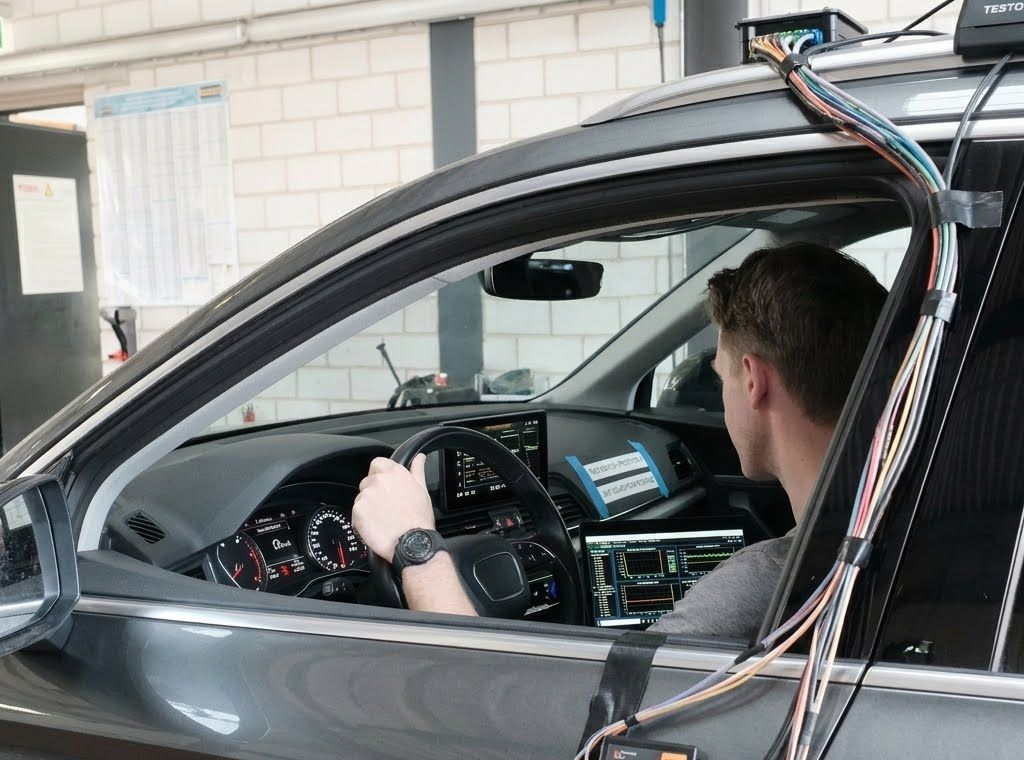
Grounded in how automotive engineering actually works
Our AI tools are built and evaluated by engineers with hands-on experience across the development lifecycle — from system design and modelling through to physical test programmes. That means the tools are grounded in how automotive engineering actually works, not theoretical assumptions.
See our testing servicesTell us about your engineering process.
We will show you where AI tooling fits — and where it needs careful evaluation first.